A Stress Management Speaker’s Tips for Handling Work Pressure Every Day
Summary: There are many ways to handle your work pressure in the office. Start your day with a clear plan and break your tasks into manageable parts. Take short breaks when needed and use strategies to stay positive and engaged.
=============================
Do you feel stress the moment you step into your office every morning? You are not alone. Daily pressures of deadlines, targets, meetings, and constant multitasking are the norm. Although a certain amount of pressure is common in any job, too much of it can affect your productivity, health, and overall happiness at work. Here are five daily strategies to help you can manage pressure with deliberate habits and a positive mindset.
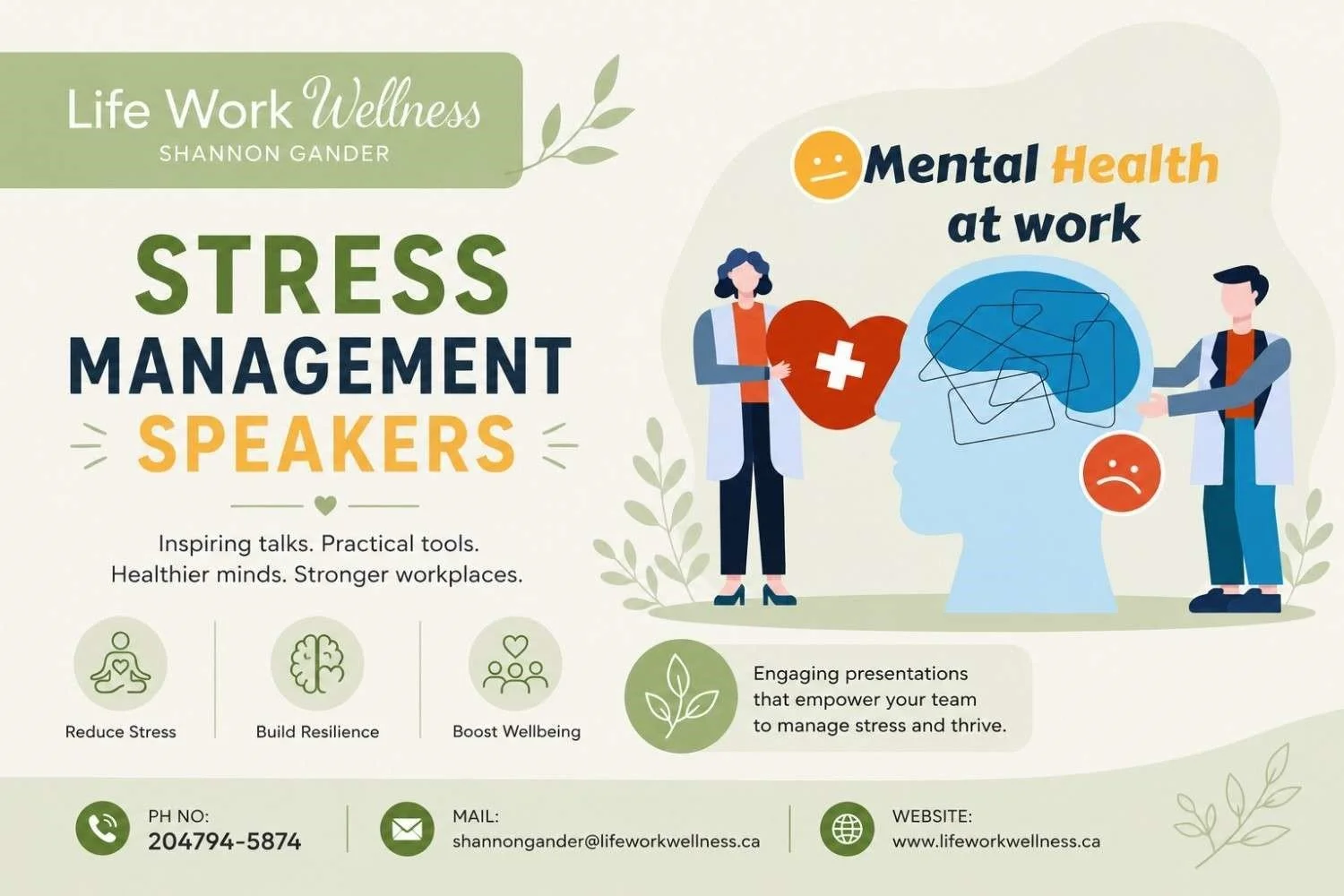
Tips from a Stress Management Speaker to Stay Calm Under Work Pressure
Start Your Day with a Clear Plan
One of the main reasons people feel stressed at work is a lack of planning. When everything feels urgent, stress builds up quickly. Take a few minutes to list your tasks the moment you get them. Identify what needs immediate attention and what you can handle later. Keep your priority list in front of you (not your long list for the days to come, this you can set aside and pull from when you’re ready). We call this active lists versus master lists.
This simple approach helps you stay realistic about what you can achieve, to do what’s important now and remain focused without jumping off to other tasks. Avoid overloading the list, as it can lead to confusion and frustration. Yes, you will be thrown off task by other requests but at least you will have your priority list to anchor back to so that you can refocus quickly and know what to do next. When you set achievable goals, you can reduce unnecessary pressure, can get traction and complete your work successfully.
Break Your Tasks into Smaller, Manageable Tasks
Big tasks often feel stressful, as they seem complicated and time-consuming. When you see a large project as one huge responsibility, it can create mental pressure before you even begin. Then, what is the solution? Break your work into smaller, manageable steps. Instead of focusing on the entire task, divide it into smaller parts. For instance, if you need to complete a report, you can separate it into research, outlining, writing, and reviewing. Small steps can become easier to handle and less intimidating.
If you need direction because a project you’ve been given is unclear, ask you leader so that you can use that clarity to then break down the project in a away that works for you. Without clarity, too often we waste time and accrue more stress than needed. It’s okay to be vulnerable and ask for help. If you’re concerned about burdening your leader, make it clear that you want to deliver on what they are asking and the clarity will help you to do just that (success for both of you).
Take Short Breaks When Needed
We often think that working continuously without a break is the best way to stay productive. However, in reality, it often leads to burnout and reduced efficiency. Your brain needs short pauses to recharge, especially in a busy work environment. To reduce stress levels in the day, you do not need long breaks; even short breaks of five or ten minutes can make a difference. Even better if we make these tech breaks to fully rest our mind, even briefly. If you are in the habit of working through lunch, try stepping away rather than eating over your keyboard. Notice the difference this makes in your stress, energy and productivity.
Stay Positive and Focus on What You Can Control
Office life is full of unexpected challenges. A colleague used this expression, “have a plan and hold it loosely”. Then we do better at accepting that not everything will go according to the plan. There may come urgent tasks, difficult situations, or sudden changes that create pressure. Your mindset plays a vital role in challenging situations. Instead of worrying about things beyond your control, focus on what you can do in the present moment. Take a deep breath, assess the situation, and focus on finding solutions rather than worrying about the problem. Get curious and ask yourself, “what is one next step that I can take?”. Make it small, particularly if you are feeling overwhelmed. Sometimes the hardest part is not personalizing or resenting the thing that threw us off track and just getting started on the next step. A positive mindset can help you stay more engaged and calm even on busy days.
Work pressure is a common part of your office life, but it does not have to control your day or take away from your good work. To learn more about how we can help bring stress management strategies to your workplace, please get in touch.